
The Hidden Upside of the Education Economy: Why Learning Continues to Thrive - and Grow - In Uncertain Times
While many sectors continue to feel the strain of economic uncertainty, one industry has quietly proven its resilience: education. That resilience stems from a simple truth – education is one of the few universal needs that transcends economic cycles.
As a result, demand for personalised learning support has evolved into a robust growth market. In the UK, the online tutoring sector alone is projected to achieve a compound annual growth of 11.8% until 2030, reflecting a sustained appetite for additional learning support beyond the classroom*.
Parents, schools and local authorities alike are investing in tutoring, hybrid models and specialist provision to help learners thrive.
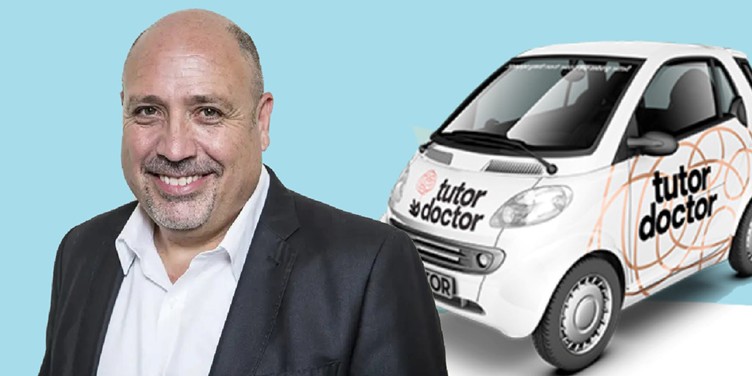
Here, Frank Milner, president of global tutoring franchise Tutor Doctor, discusses why the education economy remains resilient and continues to grow, evolve and see success on both academic and financial grounds.
Resilient by nature, not by chance
When people talk about economic uncertainty, education is sometimes overlooked. But in my experience, it remains one of the most economically robust sectors – and that’s not by chance.
Families prioritise learning outcomes regardless of wider financial pressures because they understand the long-term impact. Education is not viewed as a discretionary expense; it’s an investment in future opportunity.
At the same time, schools and local education authorities are navigating increasing complexity in the classroom – particularly around SEND provision and differentiated learning needs. This growing complexity drives sustained demand for targeted academic support. That demand is further underpinned by societal priorities, from rising parental expectations to growing teacher workload pressures.
Put simply, the foundations of this sector are structural, not circumstantial, and that is what gives it strength.
Growth through evolution, not reaction
It would be easy to attribute the growth of the education economy solely to the pandemic, and while lockdown undoubtedly accelerated change, it did not create the underlying need.
Spending extended time learning at home gave many parents a clearer understanding of how their child learns best. In doing so, it accelerated a shift towards personalised support that was already beginning to take shape.
Personalised tutoring is no longer viewed as a temporary ‘catch-up’ measure but as a proactive academic solution, increasingly forming part of many families’ and schools’ long-term education planning.
Technology has accelerated this shift. Hybrid models, improved digital infrastructure and better data tracking have made personalised learning more accessible, transparent and scalable. That combination – behavioural change and professionalisation – is what brings around evolution.
Academic impact drives financial sustainability
Academic success and commercial success are inseparable. Improved student outcomes, reinforced trust. That trust leads to repeat engagement, stronger partnerships and lasting relationships. It creates stability for the long haul.
At Tutor Doctor, our partnerships with schools and local authorities have opened up an additional and highly effective revenue stream, but that financial success would not exist without its potential to deliver genuine academic progress. The two must go hand in hand.
The education economy demonstrates that purpose-led services can also be commercially strong. In fact, it’s precisely because we focus on impact that Tutor Doctor’s model is sustainable. When outcomes improve, confidence grows, and that confidence underpins financial resilience further down the line.
Blending technology with human connection
In education, technology is an enabler – not a replacement. Digital tools improve access, streamline scheduling and enhance reporting from lessons. In our case, our own tutor-matching systems and online portals help ensure the right fit between tutor and student, while improving insights when it comes to tracking progress.
But that is nothing without human relationships. Confidence, motivation and engagement are built through connection. The real strength of the education sector lies in balancing innovation with personalisation.
That blend – solid, scalable infrastructure and personal support – is what makes the education economy both distinctive and future-ready, allowing the sector to grow without losing its purpose.
A sector built for the long term
Education’s strength lies in its necessity and adaptability. Every child needs an education, and families will endeavour to prioritise it regardless of economic cycles. As the sector evolves – through stronger school partnerships, changing beliefs about specialist provision and the utilisation of technology – the education economy becomes more resilient, not less.
The growth we are seeing is structural and not a passing trend, and that’s why I’m confident the education economy will continue to expand and innovate – even in uncertain times.
*Source: 1 Grand View Horizon, UK online tutoring services, 2025
Submit the response form, using the button below, to explore Tutor Doctor’s award-winning franchise model and how you can make a difference to the lives of local students.